River cleanliness and health...
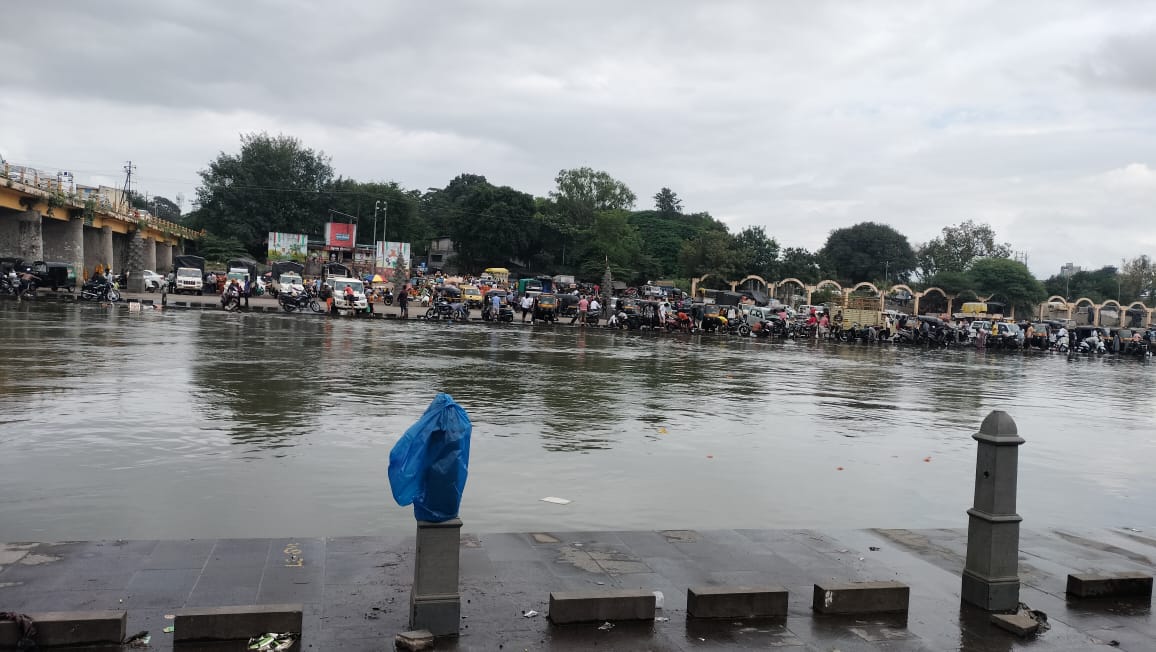
River cleanliness and health...
River cleanliness and health are interconnected, and only if a river is in good health can it effectively perform its function as a life-giving force.
A river is not just a source of water, it is a complete ecosystem, which includes water, sediment, sand, aquatic life, microorganisms and coastal forest resources.
Factors of river health
For a river to be healthy, it is important that the water quality, temperature of the river water, the amount of dissolved oxygen in it, the acidity of the water, and the level of chemical pollutants are appropriate. There must be abundant oxygen in the water for aquatic life.
The presence of aquatic life and biodiversity, fish, and other aquatic life as well as microorganisms help keep the river clean and flowing. Aquatic life is an important component of the river ecosystem.
Bed structure: Having abundant sand in the river bed is necessary for the reproduction of aquatic life and the natural flow of the river. Excessive sand extraction is detrimental to the health of the river.
Flow and carrying capacity: The natural flow of the river must be uninterrupted. Dams and embankments stop the flow of water, which deteriorates water quality and disrupts the balance of the ecosystem.
Problems of river cleanliness (pollution)
Human interference has an adverse effect on the cleanliness and health of the river, due to which water pollution has become a serious problem.
Nashik Municipal Corporation discharges sewage in urban areas and due to sewage disposal, large amount of water is extracted due to growing cities and an equal amount of sewage is discharged directly into Godavari and its tributaries without any treatment. This increases water pollution to a great extent.
Chemical and toxic effluents from industrial estates like Satpur and Ambad pollute the river, causing serious impacts on aquatic life and human health.
Local citizens dump plastic bags, electronic waste and other solid waste in the Godavari and its tributaries, in the riverbed and on the banks, reducing the carrying capacity of the river and polluting it.
Chemical fertilizers and pesticides used in agriculture are washed away with rainwater and mixed with the river, causing chemical pollution in the river.
Encroachment on the Godavari River through cement concrete dams on the banks of the Godavari River, narrowing of the riverbed, encroachments and constructions in the area are changing the natural form of the river.
If necessary, temporary ghats can be built on the river banks, a temporary ghat was built in Prayagraj by filling it with gravel and sand bags.
Also, temporary ghats can be built in Nashik during the Kumbh Mela.
Also, due to the accumulation of silt in the river, its carrying and storage capacity decreases, which increases problems like floods and droughts.
Measures for river cleanliness
The administration needs to make efforts at many levels to maintain the health of the river and make it pollution-free.
It is mandatory for local self-government bodies like Nashik Mahanagar Palika to treat the sewage coming out of the city before releasing it into the river.
It is important for citizens to participate in large numbers and take care of the river by considering it as their mother.
Using natural and eco-friendly materials in religious rituals and daily life helps in reducing chemical pollution of water.
As ordered by the Hon'ble High Court, strict punitive action must be taken against polluters and effective implementation of laws is necessary.
Planting trees along the river and protecting aquatic life keeps the river ecosystem naturally clean and balanced.
Maintaining the health and cleanliness of the river is not only the responsibility of the administration, but also the duty of every citizen, because the river is our lifeline.
Nishikant Pagare
President
Godavari River Conservation Committee Nashik..